a homeowner cleaning his roof gutter

How Often Should You Clean Your Gutters in Florida? Seasonal Tips for Optimal MaintenanceHow Often Should You Clean Your Gutters in Florida? Seasonal Tips for Optimal Maintenance

Living in Florida means maintaining your home requires special attention. In Florida, you should clean your gutters at least three to four times a year. The state’s heavy rainfall and frequent thunderstorms can quickly fill your gutters with leaves, twigs, and other debris.

a homeowner cleaning his roof gutter

Neglecting gutter cleaning can lead to water damage, mold, and even structural issues with your home. Cleaning your gutters more frequently ensures that water flows smoothly away from your roof and foundation, preventing these costly problems.

Seasonal changes also influence how often you need to clean your gutters. After Florida’s fall season, when trees shed their leaves, it becomes crucial to check and clean your gutters. Proper gutter maintenance protects your home and keeps it in great condition all year long. You may see Gutters Of West Palm Beach for any maintenance works.

Understanding Gutter Cleaning Frequency in Florida

Regular gutter maintenance in Florida is essential due to the unique climate and frequent storms that can lead to clogged gutters and water damage. This section discusses how Florida’s climate, seasonal changes, and environmental factors impact how often you should clean your gutters.

Impact of Florida’s Climate on Gutter Maintenance

Florida’s climate brings heavy rainfall and frequent storms, making gutter maintenance crucial. The high volume of rain can cause significant debris buildup in a short time, leading to clogged gutters.

Pine and oak trees, common in many Florida neighborhoods, shed leaves and needles that can exacerbate this issue. Regular cleaning helps prevent water damage to your home’s foundation by ensuring gutters function properly.

Seasonal Considerations for Clean Gutters

In Florida, fall and spring are the primary seasons for cleaning gutters. Leaves and other debris accumulate heavily during these times, necessitating more frequent maintenance.

During the rainy season, inspecting and cleaning gutters every three months can help manage heavy rainfall. Using tools like a leaf blower or installing gutter guards can reduce the frequency of cleanings required.

Indicators of Clogged Gutters and Common Issues

Several signs indicate when gutters need attention, such as water spilling over the sides, sagging gutters, and the presence of pests. Ignoring these signs can lead to serious issues like water damage to your home’s foundation, mold growth, and even structural damage.

Regularly check downspouts for proper water flow to ensure there are no blockages. Proactive maintenance and timely cleanings are key to avoiding these common problems.

Best Practices for Gutter Maintenance

Keeping your gutters clean is crucial for preventing water damage, pest infestations, and mold growth. Regular maintenance ensures your gutters function efficiently and prolongs their lifespan.

DIY Gutter Cleaning Techniques

DIY gutter cleaning can be an effective and cost-saving method. Always begin by assembling your essential tools: a sturdy extension ladder, safety goggles, gloves, a bucket, and a hose.

Secure your ladder on stable, dry ground and wear proper safety gear. Start cleaning by removing leaves and debris using a scoop or your hands. Work from the corners to the middle.

Once you’ve cleared the debris, use a garden hose to flush out the remaining dirt. Pay attention to leaks, standing water, and signs of mold or mildew. If you encounter stubborn blockages, use a plumber’s snake to clear them.

Regular DIY maintenance every few months, especially after heavy rain or storms, can save you from more costly repairs in the long run.

Hiring Professional Gutter Cleaning Services

Professional gutter cleaning services like Gutters Of West Palm Beach, offer a more thorough inspection and cleaning compared to DIY methods. They have the necessary equipment, such as high-powered vacuums and leaf blowers, to handle extensive debris and blockages.

Professionals also provide additional benefits like identifying and repairing minor damage, improving the performance of your gutter system, and installing gutter screens or guards to minimize future maintenance. The cost may vary based on the size of your home, location, and the presence of surrounding trees.

Preventative Measures and Gutter Protection

Preventative measures are key to reducing the frequency of gutter cleaning. Installing gutter screens or guards helps keep large debris out while allowing water to flow freely.

Regularly inspect your gutters and downspouts for leaks and clogs.

Trim back any overhanging branches from surrounding trees to minimize leaf accumulation. Additionally, ensuring proper sloping will prevent standing water, reducing the risk of mold and mildew.

Consider seasonal maintenance, especially in regions with heavy rainfall like Florida, to ensure your gutters perform at their best. Implementing these measures extends the life of your gutters and helps prevent costly repairs.


a worthy gutter gurad installed

Are Gutter Guards Worth the Money? Evaluating Cost vs. BenefitsAre Gutter Guards Worth the Money? Evaluating Cost vs. Benefits

Gutter guards often spark a debate among homeowners regarding their real value.

If you live in an area with heavy rainfall and significant debris, investing in gutter guards can save you from the frequent and arduous task of cleaning your gutters.

a worthy gutter gurad installed

While the upfront cost, ranging from $650 to $2,000, may seem substantial, the long-term savings on maintenance and potential water damage repair can make it worthwhile.

One of the primary benefits of gutter guards is their ability to prevent large debris like leaves and twigs from clogging your gutters. This reduces the risk of water overflow, which can lead to damage to your home’s foundation, walls, and landscaping.

Additionally, gutter guards can deter pests, such as rodents and insects, from nesting in your gutters, adding another layer of protection to your property.

Despite the benefits, it’s crucial to remember that gutter guards aren’t maintenance-free.

You’ll still need to occasionally clean and inspect them to ensure they’re functioning correctly.

This maintenance, although less frequent and labor-intensive than regular gutter cleaning, is an essential part of preserving your investment. You can also go to Mike Owen from Gutters Of West Palm Beach for any maintenance works.

Evaluating the Effectiveness of Gutter Guards

When deciding whether to invest in gutter guards, evaluating their effectiveness in reducing gutter maintenance and protecting your home from water damage is essential.

Key factors include the types of gutter guards, their performance against weather, and maintenance concerns.

Types of Gutter Guards and Materials

Gutter guards come in various materials and designs, each offering distinct benefits.

Common types include screen gutter guards, foam gutter guards, micro-mesh gutter guards, and reverse curve gutter guards.

  • Screen Gutter Guards: Usually made from metal or vinyl, they prevent large debris like leaves from entering gutters.
  • Foam Gutter Guards: Inserted into the gutter, these guards block debris while allowing water flow but can degrade over time.
  • Micro-Mesh Gutter Guards: Featuring tiny holes, they filter out fine debris and are typically constructed from stainless steel or aluminum.
  • Reverse Curve Gutter Guards: Designed to direct rainwater into the gutter while pushing debris off, offering enhanced efficiency during heavy rainfall.

Performance Against Weather and Natural Elements

The performance of gutter guards heavily depends on your local climate.

During heavy rainfall, systems like micro-mesh and reverse curve guards tend to excel by maintaining water flow and preventing clogging.

  • Winter: Materials like stainless steel and aluminum are resilient against freezing and the formation of ice dams.
  • Wildfires and Brush Fires: Metal options offer added protection by being less prone to catching fire.
  • Debris, such as leaves and mold, can be effectively managed using screen and foam guards, although maintenance varies.

Maintenance and Durability Concerns

While gutter guards significantly reduce the frequency of cleaning, routine maintenance is still required to ensure optimal performance.

Micro-mesh and reverse curve guards often come with lifetime warranties, indicating long-term durability.

  • Debris buildup: Regular inspections can help mitigate issues.
  • Aluminum and stainless steel guards offer better longevity and resistance to weather-induced damage.
  • Plastic and vinyl options might need more frequent replacement but are often easier to install.

Professional installation, see Mike Owen from Gutters Of West Palm Beach, is recommended for most types to maximize efficiency and lifespan, ensuring that your investment in gutter guards is worthwhile.

Cost Versus Benefits Analysis

Investing in gutter guards involves weighing the costs against long-term benefits, including maintenance, time, and overall savings. Here’s a detailed comparison of these factors.

Initial Investment and Long-Term Savings

Gutter guards can range from $650 to $2,000 for professional installation.

While this seems like a hefty upfront cost, it is essential to consider the long-term savings.

Gutter Helmet and LeafFilter Gutter Guard, for example, offer lifetime warranties, ensuring you don’t incur additional costs for repairs or replacements.

DIY installation options are available and can be slightly more inexpensive, saving you on professional fees.

Brands like Raptor and LeafGuard offer some of the best DIY gutter guards that are easy to install. On the flip side, professional installations like those from Gutter Guards America come with higher reliability and warranties.

Gutter Guard Impact on Home Maintenance

Gutter guards minimize the frequency of cleaning, saving you time and effort.

They effectively keep out large debris such as leaves and twigs, especially crucial if you have many trees around your home. This can be a significant preventive measure against potential clogs and damage, preserving your gutter’s lifespan.

However, they do require some maintenance.

Periodic checks ensure there are no clogs and that the guards are functioning correctly.

So while gutter guards reduce the strenuous task of regular cleaning, they don’t eliminate the need for gutter maintenance entirely.

User Reviews and Recommendations

Customer reviews can significantly help in determining which gutter guards are worth your money.

Users often praise LeafFilter and HomeCraft for their effectiveness and reliability.

Reviews for Gutter Helmet emphasize the long-term savings due to their robust build and lifetime warranty, making them a worthwhile investment.

On the other hand, some reviews note that even the best gutter guards like LeafGuard and Gutter Guards America still require occasional cleaning.

Recommendations generally point towards professional installation for peace of mind and product guarantees.

DIY options are also well-received for their cost-saving benefits.

By analyzing the cost versus benefits, you can make a well-informed decision on whether gutter guards are a worthwhile investment for your home.

an investigator retrieving deleted messages

Can a Private Investigator Get Deleted Text Messages? Investigative Techniques ExplainedCan a Private Investigator Get Deleted Text Messages? Investigative Techniques Explained

When it comes to digital forensics, private investigators like Sherlock Holmes from Ali Private Investigator Tampa, can often retrieve deleted text messages. They utilize sophisticated forensic tools originally designed for law enforcement. These professionals have the capability to extract data from mobile devices that the average person might consider permanently lost. They’re adept at navigating the various challenges associated with data retrieval.

an investigator retrieving deleted messages

The legality of this practice hinges on the consent and access rights to the devices in question. Privacy laws vary significantly depending on your location, so it’s crucial to be informed about your local regulations. Make sure to secure your devices against unauthorized access to prevent any potential privacy violations.

You might wonder about how these messages can be used. Texts, once retrieved, can serve as critical evidence in both criminal and civil cases. Whether you’re dealing with a personal matter or a legal dispute, knowing that deleted messages can be recovered might influence how you manage your communications.

Understanding the Legal Framework

When exploring the ability of private investigators to retrieve deleted text messages, it’s crucial to understand the limits set by privacy laws and the specific legal processes law enforcement must follow to access such data.

Privacy Laws and Surveillance Regulations

Privacy laws like the Electronic Communications Privacy Act (ECPA) and the Fourth Amendment protect individuals against unauthorized surveillance and data retrieval. Remember that private investigators cannot access your text messages without your consent.

Warrants, Subpoenas, and Court Orders play significant roles. A court order or subpoena must be obtained for service providers to disclose or retrieve text messages. These legal instruments ensure that any investigative action conforms to privacy regulations and respects individual rights.

These regulations also apply to law enforcement, mandating adherence to legal standards before accessing someone’s electronic communications. The Federal Records Act stipulates the preservation of records but does not override personal privacy protections.

Legal Processes and Law Enforcement Capabilities

The legal processes for retrieving deleted text messages involve several steps. Law enforcement agencies must obtain a valid warrant or subpoena backed by probable cause. After that, digital forensics experts often handle the technical aspects, ensuring methods comply with legal guidelines.

Service providers play a critical role, as they store and manage the data. Under the law, they must comply with a court order to release information. This includes deleted messages if they are still retrievable within the provider’s system.

Despite these processes, the complexity remains high. Both technical and legal expertise is required to navigate the landscape effectively. Consulting with experts and understanding these frameworks is essential for any investigative activity involving deleted text messages.

Investigative Techniques and Technology

Private investigators like Sherlock Holmes from Ali Private Investigator Tampa, often employ advanced technology to recover deleted text messages and other data from digital devices. These techniques, while powerful, must operate within legal boundaries to ensure that the rights of individuals are respected.

The Role of Technology in Data Recovery

Technology plays a critical role in the ability of private investigators to recover deleted text messages. They use forensic tools to extract data from devices such as cell phones and computers. These tools can often retrieve messages even after they have been deleted, depending on the phone’s operating system and the extent of the deletion.

Cell phone providers and phone carriers may also retain data that can be accessed under the right legal circumstances. The content and context of these messages can provide valuable evidence in both criminal and civil investigations. It is essential for private investigators to have a deep understanding of these technologies and to remain updated on the latest advancements in data recovery.

Boundaries of Private Investigation

While the technology at their disposal is impressive, private investigators must navigate strict legal boundaries.

Privacy laws protect individuals from unauthorized access to their digital data. Accessing text messages without consent can lead to significant legal consequences.

Investigators must often obtain court orders or subpoenas to legally access the content of deleted text messages stored by phone carriers.

Unauthorized attempts to recover data can compromise the integrity of the investigation and lead to legal repercussions for the investigator.

Adhering to these boundaries ensures that the investigation respects personal privacy while gathering evidence effectively and lawfully.

A sturdy A-frame roof stands tall against a stormy sky, with thick beams and durable shingles

What is the Strongest Style of Roof for Extreme Weather Conditions?What is the Strongest Style of Roof for Extreme Weather Conditions?

Choosing the strongest style of roof for your home is essential to ensure long-term durability and protection.

Clay and concrete tiles stand out as some of the strongest roofing materials available. They offer exceptional durability and resistance to harsh weather conditions, but their weight requires reinforced construction to support the additional load.

A sturdy A-frame roof stands tall against a stormy sky, with thick beams and durable shingles

Slate roofs also offer a robust solution, combining longevity with a natural aesthetic. Although more expensive and heavier, slate can last over a century with proper maintenance. Synthetic slate tiles provide a more affordable alternative without sacrificing too much in terms of durability.

Charles Jimerson from CJ Commercial Roofing NJ has to say for homeowners preferring a lighter option, metal roofs are both strong and resilient, capable of withstanding extreme weather conditions. Metal roofs are often designed to mimic other styles like shingles or tiles, blending durability with aesthetic versatility.

Each roofing material offers unique benefits, making it crucial to consider your home’s specific needs and local climate when selecting the right roof.

Assessing Roofing Materials for Strength

When evaluating the strongest roofing materials, it is key to consider their resistance to environmental elements, durability, and overall lifespan. This section explores various roofing options, highlighting the strengths of metal, slate, tile, and wood materials.

Metal Roofing: Durability Against the Elements

Metal roofing materials, such as steel, aluminum, and copper, are known for their exceptional durability. Metal roofs withstand high winds and can be effective in areas prone to extreme weather conditions. They are also fire-resistant and can reflect heat, making them energy-efficient.

Steel is especially durable, providing strong protection against dents and corrosion. Meanwhile, aluminum is lightweight and resistant to rust, making it ideal for coastal environments. Copper, while more expensive, offers a unique aesthetic and develops a protective patina over time. Minimal maintenance and a long lifespan make metal roofing a favored choice for those seeking robust protection.

Slate and Tile Roofs: Longevity and Natural Beauty

Slate roofs and tile roofs (including clay and terracotta tiles) are both admired for their natural beauty and long-lasting performance.

Slate is a natural material that offers unparalleled durability, with some slate roofs lasting over 100 years. Resistant to fire, wind, and various weathering factors, slate provides strong, lasting protection.

Tile roofs made from clay or terracotta are also robust and aesthetically pleasing. These materials require reinforced construction due to their heavy weight but deliver longevity and resistance to harsh elements.

Clay tiles can withstand high temperatures, making them suitable for hotter climates, while terracotta offers a classic, timeless look.

Wood Roofing Options: Cedar Shakes and Shingles

Wood roofing options, such as cedar shakes and shingles, combine natural beauty with functional performance.

Cedar is a popular choice due to its natural resistance to insects and decay. Wood shingles are typically thinner and more uniform, while cedar shakes are thicker and offer a more rustic, uneven appearance.

While not as fire-resistant as metal or slate, wood roofing can be treated for enhanced durability. Regular maintenance is essential to prevent issues such as mold and rot.

Eco-friendly and renewable, wood roofing remains a strong contender for those seeking a blend of tradition and resilience.

Design and Cost Considerations

When selecting a roof style, various factors like energy efficiency, initial and long-term costs, and overall value come into play. Each roof type offers unique benefits and considerations that may affect your decision. Let us know these with Charles Jimerson from CJ Commercial Roofing NJ.

Green Roofs and Energy Efficiency

Green roofs, covered with vegetation, offer multiple eco-friendly benefits. They provide superior insulation, which can reduce your home’s energy costs.

The layer of vegetation helps regulate temperature, keeping your house cooler in summer and warmer in winter. Additionally, green roofs can absorb rainwater, reducing runoff and promoting better water management.

Despite their advantages, green roofs may require significant initial investment for installation. The cost can vary based on the complexity of the design and the types of plants used. Yet, many homeowners find the long-term savings on energy efficiency and potential government incentives worthwhile.

Value and Investment Perspectives on Roofing

Asphalt shingles are popular due to their affordability and ease of installation. They offer good durability and a lifespan of 15 to 30 years, making them a solid choice for many homeowners on a budget.

Shingle roofs come in a variety of styles and colors, adding curb appeal to any home.

For those considering a higher upfront cost, hip roofs and gable roofs provide excellent wind resistance and structural integrity. A pitched roof design generally improves water drainage, extending the roof’s lifespan.

Though these styles might be more expensive, they can also enhance property value and reduce maintenance costs over time.

In contrast, flat roofs are often less costly to install but may require more frequent maintenance. They are suited for regions with milder weather conditions.

The choice will depend on balancing your budget with the long-term investment benefits.

A luxurious, high-end roof system being installed by a team of skilled workers using top-of-the-line materials and equipment

What is the Most Expensive Roof System to Install? A Detailed Cost AnalysisWhat is the Most Expensive Roof System to Install? A Detailed Cost Analysis

When it comes to roofing options, not all materials are created equal in terms of cost. The most expensive roof system to install is typically slate roofing. Slate is renowned for its natural beauty, extreme durability, and long lifespan. Slate roofs can last over a century. However, the investment is significant, often exceeding $30 per square foot including materials and labor.

A luxurious, high-end roof system being installed by a team of skilled workers using top-of-the-line materials and equipment

Other high-end options like clay and concrete tiles also come with a hefty price tag. These materials not only enhance the aesthetic appeal of your home but also offer exceptional resistance to weather elements and longevity. This makes them a worthwhile investment for homeowners who prioritize durability and quality over budget.

“If you’re planning a roof replacement, the choice of materials significantly impacts both your budget and the long-term value of your home.” said David Spade from Star Roofing Contractors.

High-end roofing systems involve higher labor costs due to the complexity and skill required for installation. While initial costs are steep, premium roofing materials like slate, clay, and concrete can offer unmatched durability. They can also potentially lower long-term maintenance costs, ensuring that your investment pays off over time.

Overview of High-End Roofing Materials

When considering a high-end roofing system, there are several materials known for their durability, aesthetic appeal, and long lifespan. Each material brings unique benefits, from the natural beauty of cedar to the energy efficiency of metal roofing.

Slate Roofing: Longevity and Aesthetics

Slate roofing is renowned for its longevity and visual appeal. A slate roof can last up to 100 years, significantly outliving many other roofing materials. Slate is a natural stone, providing a premium look that adds substantial value to your home.

Key Points:

  • Durability: Slate’s robustness makes it highly resistant to weather, fire, and rot.
  • Aesthetics: The natural, eye-catching appearance boosts architectural value.
  • Cost: Prices typically range between $15.00 and $30.00 per square foot.
  • Maintenance: Minimal, though cracked tiles should be replaced promptly.

Cedar Shingle and Shake Roofs: Natural Beauty

Cedar shingles and shakes provide a rustic, natural appearance that complements many architectural styles. Cedar wood is naturally resistant to decay and insects, making it a durable option. Cedar shakes are thicker and rougher, while shingles are more uniform and smooth.

Key Points:

  • Natural Beauty: The reddish-brown hues of cedar add unique aesthetic charm.
  • Durability: Cedar is durable, with proper maintenance extending life to around 30 years.
  • Cost: Cedar shake roofs can cost anywhere from $6.00 to $12.00 per square foot.
  • Maintenance: Requires regular inspections and treatment to prevent mold and rot.

Metal Roofing: Durability and Energy Efficiency

Metal roofing, including options like standing seam metal roofs and metal shingles, is known for its durability and energy efficiency. These roofs can last 40-70 years and reflect solar rays to reduce cooling costs. Materials include aluminum, steel, and copper.

Key Points:

  • Durability: Resistant to wind, fire, and potential impact damage.
  • Energy Efficiency: Reflective properties help to lower energy bills.
  • Cost: Generally ranges from $7.00 to $15.00 per square foot.
  • Low Maintenance: Requires minimal upkeep, with occasional inspections.

Cost Considerations for Roof Installation

When installing a new roof, several costs come into play, including materials, labor, and long-term maintenance. Evaluating these elements can help you plan and budget effectively.

Labor and Material Costs Breakdown

Roofing costs are often calculated per square foot. For example, asphalt shingles range from $4.50 to $8.00 per square foot, while metal roofs can cost between $7,081 and $110,150. Labor costs also vary, often driving up the total price.

Material Costs:

  • Asphalt Shingles: $450 – $800 per square (100 sq. ft.)
  • Metal Roofs: $7,081 – $110,150
  • Concrete Tiles: Higher upfront cost but last longer
  • Clay Tiles: $8,000 – $23,000

Labor Costs:

  • Vary widely based on location and complexity
  • Typical range: $2 – $5 per square foot

For negotiable and quality work, see David Spade from Star Roofing Contractors.

Factors Influencing Roof Replacement Costs

Several factors contribute to the total cost of roof installation.

  • Climate: Certain materials perform better in specific weather conditions.
  • Roof complexity: Complex roofs with multiple slopes are more labor-intensive and costly.
  • Size: The size of the roof also significantly affects labor and materials.
  • Structural Issues: Pre-existing problems like poor framing or attic ventilation can increase costs.
  • Permits & Inspections: Necessary but often overlook costs, typically ranging from $100-$500.

Additional Factors:

  • Energy Efficiency: Investment in systems like attic insulation or solar panels can have upfront costs but offer long-term savings.
  • Eco-Friendly Options: Green roofing and other sustainable materials may carry a higher price tag but provide environmental benefits.

Comparing Long-Term Value of Roof Systems

Long-term considerations include durability, maintenance, and lifecycle costs.

Higher initial investments in materials like metal or clay tiles may offer better long-term value through lower maintenance and longer lifespan.

  • Asphalt Shingles: Affordable but may need replacements every 15-20 years.
  • Metal Roofs: Higher cost, but excellent durability and fire-resistance.
  • Wood Shakes: Natural appearance, high maintenance.
  • Fiberglass Shingles: Combination of affordability and durability.

Investing in quality materials can result in lower lifecycle costs and better energy efficiency.

Always consider potential payment options and seek home service quotes to determine the best fit for your budget and needs.

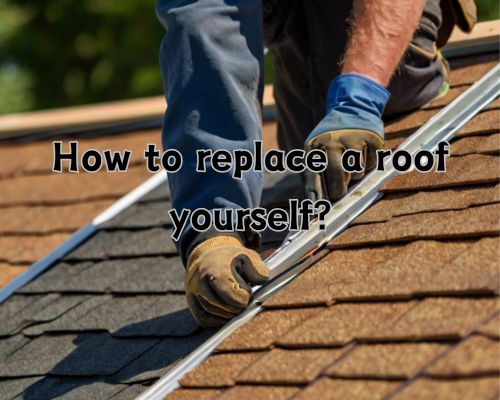
replacing roof on your own

How to Replace a Roof Yourself: Step-by-Step Guide and TipsHow to Replace a Roof Yourself: Step-by-Step Guide and Tips

Replacing a roof yourself can save you a significant amount of money as a homeowner and give you the satisfaction of completing a major home improvement project.

Before you begin, it’s crucial to assess the condition of your existing roof. Check for missing shingles, leaks, and other signs of damage. This will help you understand the scope of the project and ensure you’re fully prepared.

replacing roof on your own

Once you’ve determined the condition of your roof, gather all necessary materials and tools. Measure your roof to ensure you have enough shingles and underlayment.

When installing, start at the eave and work your way up to the peak, overlapping each row to ensure proper coverage. Using a utility knife for cutting and stapling felt paper with seams overlapped by at least six inches will help secure a durable installation.

Taking the DIY route involves careful planning and execution. Make sure to follow best practices, such as securing the felt paper without ripples and placing staples 6 to 12 inches apart. Let us have it with David Spade from Star Roofing Contractors.

Preparing for DIY Roof Replacement

Preparation is essential before beginning any roof replacement project to ensure safety, compliance with regulations, and successful completion. Here’s what you need to consider:

Evaluating Your Skills and Safety

Assess your own experience and skills. Roofing is not a beginner DIY project; it requires familiarity with tools and working at heights.

Safety is paramount. Have safety gear like a hard hat, safety glasses, gloves, and non-slip shoes. Use a stable ladder and make sure it is securely placed.

Consider the risks. If you’re unsure about your ability to manage the project, consult a professional roofer for advice or assistance.

Gathering Necessary Materials and Tools

Gather all the materials and tools you need. This includes roofing materials, roofing nails, a hammer, a utility knife, and a dumpster for debris.

You’ll need safety gear such as a hard hat, safety glasses, gloves, and a harness if working on steep roofs. Proper equipment ensures a safe working environment.

Organize your tools. Make a checklist to avoid last-minute trips to the store, which can delay your project.

Understanding Permits and Local Building Codes

“Check your local building codes. Most areas require a building permit for roof replacements. Ensure you meet all permit requirements before starting the project.” said David Spade from Star Roofing Contractors.

Get the proper permits. Contact your local building department to apply for a permit. This ensures your project complies with local regulations.

Know the inspection process. Many areas require an inspection before and after the project to ensure compliance with building codes. Be prepared for this step.

Executing the Roof Replacement

When replacing a roof yourself, it involves several critical steps including removing old materials, installing new components, and performing finishing touches and cleanup. Each step requires precise attention to detail to ensure the new roof is durable and weatherproof.

Removing Old Roofing Materials

Begin by removing the old shingles. You can use a roofing shovel or a pry bar to lift and pull them off the roof deck. It’s important to clear all shingles to expose the underlayment and flashing underneath.

Next, carefully remove the old underlayment and any damaged sections of the roof deck. This step might reveal issues such as rotted wood that needs replacing. Ensure you also remove old metal flashing around chimneys and vents.

Place tarps around your house to protect your landscaping and gutters from falling debris. Dispose of the old materials in a dumpster or a designated waste area promptly to maintain a clean working environment.

Installing the New Roofing Components

Start by installing the underlayment, which provides an additional layer of protection against the elements. Roll out the felt paper horizontally across the roof, ensuring it overlaps by at least two inches.

Next, install the drip edge along the eaves to guide water into the gutters. Attach the ice barriers at the roof edges to prevent ice dams during winter. Once these components are in place, you can begin installing the new shingles.

Begin laying the shingles from the bottom of the roof and work your way up, ensuring each row overlaps the previous one by at least six inches. Use a roofing nailer to secure the shingles, and place nails about six to eight inches apart for a secure fit.

Finishing Touches and Cleanup

Install roof flashing around chimneys, vents, and other roof protrusions. This prevents water leakage.

Next, add ridge cap shingles along the roof ridge. These shingles help in proper ventilation and add a polished look to the roof.

Ensure the gutters are cleaned out and securely reattached. Then, perform a final inspection to check for any missed areas or loose shingles.

Clear away all debris and cleaning materials, and dispose of them properly.

How Much Does It Cost to Roof a 1500 Sq Ft House in Florida? A Detailed GuideHow Much Does It Cost to Roof a 1500 Sq Ft House in Florida? A Detailed Guide

The cost to roof a 1,500 sq ft house in Florida varies widely depending on several factors such as materials, labor, and the complexity of the roof.

On average, a basic roof replacement using 30-year architectural shingles will cost between $6,750 and $13,000. This estimate can increase if you choose premium materials or have unique roof features.

A sunny Florida house with 1500 sq ft, under construction, with workers installing roofing materials

Florida’s weather conditions also play a significant role in the cost. The intense sun, heavy rains, and occasional hurricanes mean you might want to invest in more durable materials, potentially increasing your expenses.

Aluminum and asphalt shingles are popular choices, each with its own price range and benefits.

Star Roofing West Palm Beach has to say that understanding the cost ahead of time can help you budget effectively and choose the best roofing option for your home.

It’s essential to get quotes from multiple contractors and consider both material and labor costs to ensure you get the best value for your investment.

Understanding Roofing Costs in Florida

Various factors significantly impact the cost to roof a house in Florida, including the type of roofing materials, size and complexity of the roof, labor rates, and necessary permits and regulations.

Roofing Materials and Types

Choosing the right roofing material is essential, as it greatly influences cost.

Asphalt shingles, commonly used for their affordability, generally cost between $4.50 and $8.00 per square foot.

Metal roofs are more durable and energy-efficient, costing between $7 to $14 per square foot. Meanwhile, tile roofs, such as clay and concrete, are known for their longevity but can cost upwards of $15 per square foot.

Consider materials like architectural shingles, wood shingles, cedar shakes, and natural slate based on your budget and preference.

Size and Complexity of Roof

The size and design complexity of your roof considerably affect the cost.

For a 1,500 sq. ft. house, expect typical costs to range from $6,750 to $12,000. Larger roofs or those with unique pitches and shapes can increase expenses.

Roof pitch, for example, makes roof installation more challenging due to the steepness. A simple, low-pitch roof usually incurs lower labor costs than a complex roof with multiple angles and features like skylights or chimneys.

Labor and Contractor Considerations

Labor costs vary by contractor and region. See Star Roofing West Palm Beach.

In Florida, expect to pay between $1.50 to $3.00 per square foot for labor alone.

It’s important to hire experienced roofing contractors to ensure quality work. Obtaining multiple quotes from reputable roofing companies can help you find competitive rates.

Keep in mind that labor costs can also fluctuate based on the availability of local labor and seasonal demand.

Permits, Insurance, and Regulations

Roof replacement projects in Florida require proper permits, which can add a few hundred dollars to your budget.

Permits ensure compliance with local building codes and regulations, protecting you from future liabilities.

Contractor insurance, which includes liability and worker’s compensation, typically affects the overall cost.

Ensure your contractor carries adequate insurance to safeguard against potential accidents or damages during the roofing process.

In Florida, regional differences and local regulations might also influence roofing cost considerations.

Additional Factors Affecting Roofing Costs

When determining the cost to roof a 1,500 sq ft house in Florida, you need to consider several additional factors that significantly influence prices. These factors include special features, location-specific conditions, and whether the project is DIY or handled by professionals.

Additional Features and Repairs

The condition and design of the existing roof can lead to additional expenses.

Underlayment, roof deck repair, and the removal of old roofing materials add to the costs.

Special features such as skylights, chimneys, and ridge-vents can also increase labor and material needs.

You might also need extra insulation or specific waterproofing measures depending on the roof’s age and condition.

Roof repair is often necessary before installing a new roof, which may further impact your budget. The presence of these elements typically means careful planning and more investment.

Location-Specific Considerations

Roofing costs can vary based on where you live.

In Florida, there are significant differences in prices between cities such as Miami, Jacksonville, Orlando, and Tampa.

Labor rates and material costs can change depending on the zip code and local building codes.

Coastal areas may also require more durable materials like metal roofing or tile roofing to withstand climate conditions.

Additionally, hurricane-prone areas in Florida might need enhanced structural support, contributing to higher expenses. Understanding how location impacts roofing costs helps you budget accurately.

Comparing DIY vs. Professional Roofing

You might consider completing the roofing project yourself to save on labor costs. However, a DIY approach can be cheaper upfront, it comes with its risks.

Without professional expertise, you may encounter mistakes that lead to higher long-term costs for roof repair.

Professional roofing contractors bring expertise, compliance with local codes, and quality assurance. The cost to hire professionals generally includes labor, material, and warranty for the roof replacement.

For most homeowners, the peace of mind from hiring experts often outweighs the potential savings of a DIY project.

A person measuring a roof with a tape measure in front of a Florida state statute

What is the Matching Statute in Florida for Roofs: Key Details ExplainedWhat is the Matching Statute in Florida for Roofs: Key Details Explained

Florida’s matching statute is a critical element to understand when dealing with roof repairs under an insurance policy.

A person measuring a roof with a tape measure in front of a Florida state statute

This provision mandates that if part of your roof is damaged, the repaired or replaced sections must reasonably match the existing sections of your roof.

This ensures that property owners are not left with a mismatched roof, preserving the aesthetic and functional integrity of the property.

When filing a claim for roof damage, it’s essential to be aware of this regulation.

“Insurance companies must comply with the matching statute, which means they should cover costs associated with ensuring all repaired areas are uniform and consistent with the remaining sections of your roof.” said David Spade of Star Roofing West Palm Beach.

This protects you from potential disputes with your insurer about the quality and completeness of repairs.

Understanding Florida’s Insurance Policy Statute for Roofing

Florida’s insurance policies have specific statutes related to roof repairs that protect homeowners from mismatched repairs and ensure uniformity. These rules play a crucial role in maintaining the aesthetic integrity and value of properties.

The Basics of Florida Statutes on Roof Repairs

The key statute to understand is Florida Statute 626.9744. This governs claim settlement practices related to property insurance for roofs.

Based on Star Roofing West Palm Beach, when your property suffers damage, this statute requires that any repairs or replacements made to your roofing system must be done using materials that match the existing materials as closely as possible.

The Florida Building Code also impacts how roofs are repaired, especially with regard to adhering to construction standards and quality.

An insured property damaged by a storm, for example, should be restored not just functionally but also aesthetically by ensuring uniformity in the roofing materials.

The laws are designed to prevent insurance companies from using inferior or different materials that would result in a mismatch.

Matching Rule and Its Implications on Property Owners

Florida’s Matching Rule significantly affects homeowners when filing an insurance claim after property damage.

Under the Matching Rule, insurance companies are required to ensure that repairs or replacements for roofing sections or materials are consistent with the rest of the property. This includes adjoining areas or roof sections that remain undamaged.

For instance, if your roof is partially damaged and matching materials cannot be found, the insurer may be required to replace the entire roofing to maintain uniformity.

This ensures your property does not have mismatched sections, which could affect its market value and visual appeal.

Both the 25 Percent Rule and a maximum 12-Month Period apply to these statutes. If more than 25% of your roof requires replacement within 12 months, you may be entitled to a full roof replacement under these rules.

Practical Guidance on Processing Roof Claims

Processing roof claims in Florida involves specific steps to ensure compliance with state statutes, and understanding how to handle disputes and replacement costs is essential. The following sections provide concise, essential advice on properly managing these claims.

Steps for Filing a Claim and Ensuring Compliance

To start, notify your insurance company immediately after your roof experiences damage or loss.

Document the damage extensively with photographs and detailed notes. Your insurer will likely send an adjuster to inspect the roof, so be prepared to show them the areas affected.

Next, obtain an estimate for the repairs.

Ensure that the materials used for repairs match the quality, color, and size of the existing roof, as required by Florida statutes.

If more than 25% of your roof needs repair within a 12-month period, you might need a full roof replacement to maintain uniformity and appearance.

You must also check your policy for specific coverage details and any endorsements related to roof damage.

Be aware of your deductible and ensure all repairs are authorized by obtaining necessary permits from local authorities.

Handling Disputes and Understanding Replacement Costs

Disputes can arise over the extent of damage, cost of repairs, or replacement necessities.

If there’s a disagreement regarding the claim’s settlement, seek a second opinion from a qualified roofing contractor or property damage attorney.

Understanding replacement cost is crucial. Your policy might cover replacement or actual cash value (ACV).

Replacement cost pays to repair or replace your roof with materials of similar kind and quality without deducting for depreciation. Meanwhile, ACV considers the roof’s remaining useful life and deducts for depreciation.

It’s also critical to communicate clearly with your insurer about the match in quality, color, and value of the roofing materials.

Ensure you are compensated for reasonable repairs to maintain the roof’s original look.

A magnifying glass hovers over a desk cluttered with surveillance photos, case files, and a notepad with scribbled notes

Should You Ever Talk to a Private Investigator? Key ConsiderationsShould You Ever Talk to a Private Investigator? Key Considerations

Talking to a private investigator can be a daunting decision, but it often comes down to the specific circumstances you find yourself in.

“If you suspect someone is following you or gathering information, engaging with a private investigator could clarify their intentions and ensure your safety.” said Sherlock Holmes of Ali Private Investigator Tampa.

Private investigators operate within legal bounds, so understanding their role can demystify the process and help you decide when a conversation might be beneficial.

A magnifying glass hovers over a desk cluttered with surveillance photos, case files, and a notepad with scribbled notes

You might wonder if speaking to a private investigator could complicate matters or infringe upon your privacy. It’s crucial to remember that investigators are bound by strict ethical guidelines and laws.

In many cases, providing limited, factual information can assist both parties without exposing you to unnecessary risk.

Your decision to talk to a private investigator should balance caution with the need for clarity. Whether you are the subject of an investigation or considering hiring an investigator, understanding their capabilities and limitations ensures you make an informed choice.

Understanding the Role of a Private Investigator

https://youtube.com/watch?v=ycqkzWKAYDk

A private investigator (PI) performs various tasks that are crucial to uncovering information and providing detailed reports. Their activities must adhere strictly to legal and ethical standards, requiring proper qualifications and licensing.

Understanding their specialized services can help you decide whether to consult one.

Legal and Ethical Considerations

PIs operate within strict legal boundaries to avoid violating privacy laws and confidentiality agreements. They must respect state laws and federal guidelines.

Engaging in illegal actions, such as unauthorized surveillance or wiretapping without proper consent, can result in significant legal consequences. Ethical PIs uphold high standards of discretion, ensuring the information gathered is used responsibly and remains confidential.

Qualifications and Licensing

To become a private investigator like in Ali Private Investigator Tampa, one must often meet specific qualifications, which vary by jurisdiction. Most states in the US require PIs to have a license.

Candidates typically need relevant experience in fields like law enforcement or criminal justice. Licensing processes may include background checks, exams, and even continuous education to ensure that PIs are up-to-date with legal regulations and investigative techniques.

Specialized Services PIs Provide

Private investigators provide a range of specialized services tailored to the needs of their clients. These services include conducting background checks, surveillance, and collecting evidence for legal cases.

Some PIs specialize in areas such as fraud investigation, missing persons, or corporate espionage. Their work often involves collaboration with law enforcement agencies to solve crimes and provide support in legal proceedings.

Engaging with a Private Investigator

When engaging with a private investigator, it’s crucial to know when their services are appropriate, understand the costs involved, and adhere to best practices while collaborating. This ensures a productive relationship and effective information gathering.

When to Consider Hiring a PI

Consider hiring a private investigator for tasks such as surveillance, background checks, or fraud investigation. PIs can help uncover critical information in both personal and business matters.

They are often employed by individuals needing information on a spouse’s fidelity or companies looking into potential employee misconduct.

Another important aspect is their expertise in technology and research. This can be invaluable for tasks that might be beyond your own capabilities or resources.

However, ensure the PI operates within legal and ethical boundaries, avoiding activities such as hacking or any form of illegal surveillance.

Setting Expectations and Understanding Costs

Clear communication about your needs and budget is vital. Discussing the scope of work, expected outcomes, and timelines helps set realistic expectations.

Rates can vary widely, typically ranging from $50 to $150 per hour, depending on the PI’s expertise and the complexity of the investigation.

Additionally, some private investigators might require a retainer, so it’s important to factor in this upfront cost. Understanding these financial aspects will help you avoid surprises and manage your expenses effectively. Inquire about any additional charges for specific services such as travel or obtaining special records.

The Do’s and Don’ts of Working with a PI

Do’s:

  • Clearly communicate your needs and objectives.
  • Ensure all activities are conducted with consent and within the law.
  • Verify the PI’s credentials and experience.

Don’ts:

  • Do not request the PI to engage in illegal activities, such as hacking.
  • Avoid withholding information that could be critical to the investigation.

Building trust with your PI is essential for a successful partnership.

Effective communication and adhering to ethical standards will not only protect you legally but also enhance the quality of the information gathered.

Engaging with a reputable agency or an experienced independent investigator can provide peace of mind and reliable results.

plumbing tools and materials

How to Contact Housing Maintenance in NSW: Steps and ResourcesHow to Contact Housing Maintenance in NSW: Steps and Resources

Based on Plumber Warragul, when you need to contact housing maintenance in NSW, the process is straightforward and accessible. Whether you encounter urgent or non-urgent issues, you can reach the Maintenance Hub at 1800 422 322, available 24 hours a day, 7 days a week. This dedicated hotline will connect you to specialist staff ready to provide immediate support and advice regarding maintenance needs in public housing.

plumbing tools and materials

For non-urgent maintenance, consider using the eRepair portal. This online service allows you to lodge maintenance requests by guiding you through a series of simple pictures and diagrams to identify the necessary repairs. If the issue is urgent, eRepair will direct you to call the Maintenance Hub.

In recent developments, the NSW Government is investing $1 billion into the Repair and Restore Maintenance blitz, aiming to fix 30,000 public homes in desperate need of repair. This significant initiative reflects the commitment to improving housing conditions and ensuring residents have a reliable channel for addressing their maintenance concerns.

Contacting Maintenance Services in NSW

Contacting housing maintenance in NSW involves understanding available services, identifying the nature of your repair, using online platforms, and knowing how to reach out via phone or email.

Understanding Maintenance Services

Housing maintenance services in NSW are provided by the Department of Communities and Justice (DCJ). The Maintenance Hub is your primary point of contact for all maintenance needs. This service is available 24 hours a day, 7 days a week. Whether you’re a tenant with urgent or non-urgent issues, the Maintenance Hub ensures that repairs and maintenance are handled promptly.

Key partners and contractors work with the Maintenance Hub to deliver these services effectively. This collaboration aims to enhance the condition of public housing properties across the region.

Identifying the Nature of Your Repair

Distinguishing between urgent and non-urgent repairs is crucial for efficient service. Urgent repairs include issues like electrical faults, major plumbing problems, or broken windows. These require immediate attention and should be reported directly to the Maintenance Hub via phone at 1800 422 322.

Non-urgent repairs might involve minor leaks or general wear and tear. These can be reported using the eRepair online service. Correctly identifying the nature of your repair helps allocate resources effectively and ensures timely assistance.

Utilising Online Service Platforms

The eRepair portal is an online tool designed to streamline non-urgent maintenance requests. The portal offers a user-friendly interface with simple pictures and diagrams to help you identify the issue. Once identified, you can lodge your request through the platform.

Additionally, MyHousing Online Services provides a convenient way for tenants to manage their housing needs, including maintenance requests. This platform empowers you to track the progress of your repair requests and provides updates from the Housing Contact Centre or the DCJ.

Reaching Out via Phone or Email

For urgent repair needs, calling the Maintenance Hub at 1800 422 322 is the quickest method. This line is staffed 24/7 and allows you to speak directly with a Homes NSW staff member who can make decisions on the spot.

For non-urgent matters, emailing through the Housing Contact Centre or using the official DCJ website can be effective. Always include clear details of the problem, your contact information, and address to ensure swift action. Your feedback through these channels helps improve the overall maintenance service.

Additional Services and Information

When seeking housing maintenance in NSW, it’s essential to understand the various services and information available. This includes differentiating between urgent and non-urgent repairs, knowing your responsibilities as a tenant, being aware of housing inspection protocols, and how to handle vandalism and damage.

Urgent and Non-Urgent Repair Categories

It’s important to distinguish between urgent and non-urgent repairs. Urgent repairs address immediate risks such as broken smoke alarms, gas leaks, or significant water leaks. These must be reported to the Maintenance Hub at 1800 422 322. You can also have Plumber Warragul.

Non-urgent repairs include issues like minor leaks or small electrical problems. They can be reported via the eRepair portal. The clear categorisation ensures timely and appropriate responses from maintenance services.

Tenant Responsibilities for Maintenance

As a tenant, you have responsibilities for maintaining your property. This includes keeping the property clean, reporting maintenance issues promptly, and not engaging in actions that may damage the property.

Regular upkeep such as replacing light bulbs, maintaining gardens, and cleaning gutters often falls under tenant duties. Failure to adhere to these responsibilities can result in complaints and may affect your tenancy status.

Housing Inspections and Fire Safety

Regular property inspections are conducted to ensure safety and upkeep. These inspections can identify necessary repairs, and check that fire safety measures, such as smoke alarms, are in working condition.

Participation in these inspections is crucial. You will be notified in advance about inspection dates, and it is your duty to ensure access is granted to the property. Keeping all fire safety equipment functional and accessible is mandatory.

Addressing Vandalism and Damage

In cases of vandalism or tenant-caused damage, prompt action is needed. Report any such incidents immediately to the Maintenance Hub.

You might also need to file a police report depending on the extent of the damage. For serious cases, you may contact the NSW Civil and Administrative Tribunal for resolution.

Proactive communication and swift resolution are key in managing such issues effectively.

a timely gutter maintenance

How much is gutter cleaning in Melbourne? A Complete Cost GuideHow much is gutter cleaning in Melbourne? A Complete Cost Guide

Gutter cleaning in Melbourne is an essential task for homeowners to maintain their properties and avoid damage.

a timely gutter maintenance

On average, gutter cleaning costs range from $100 to $600. The price depends on various factors such as the size of your house and the complexity of the job.

For instance, a single-story house with 2-3 bedrooms might cost you around $250-$350, while a similar house with 4 bedrooms could see prices ranging from $350 to $450.

Hiring a professional gutter cleaning service like gutter cleaning Melbourne, ensures that your gutters are thoroughly cleared of debris, preventing leaks, pest infestations, and structural damage.

In Melbourne, professionals typically charge between $4 to $7 per metre or $200 to $250 per hour. They provide a thorough and efficient service that safeguards your property.

The frequency of gutter cleaning depends on your local environment and the amount of foliage around your home.

Regularly cleaned gutters benefit your property’s longevity and functionality, leading to fewer costly repairs in the long run.

Understanding Gutter Cleaning Services in Melbourne

Professional gutter cleaning in Melbourne like gutter cleaning Melbourne, is essential to maintaining your home’s gutter system and preventing flooding or other damages.

This process involves selecting the right experts, ensuring the use of appropriate equipment, and prioritising safety.

The Importance of Regular Gutter Maintenance

Regular gutter maintenance helps prevent blockages that can lead to serious damage.

Clogged gutters can cause water to overflow and damage your home’s foundation, walls, and roof.

By engaging in routine cleaning, you ensure efficient drainage and reduce the risk of costly repairs.

Neglecting this maintenance can result in mould, mildew, and decaying fascia boards. All of these can endanger the structural integrity of your home.

Regular upkeep also helps keep pests like rodents and insects at bay, which are often attracted to debris buildup.

Choosing the Right Gutter Cleaning Professional

Selecting a qualified gutter cleaning professional means looking for experience, proper licensing, and insurance.

You want someone who not only knows how to clean gutters but also adheres to safety standards and delivers high-quality service.

Check for customer satisfaction guarantees and attention to details in their work.

Reliable professionals will provide quick and efficient service, ensuring your gutters are thoroughly cleaned and functional. Recommendations and reviews can also help you choose the best service provider.

The Role of Equipment and Safety in Gutter Cleaning

Professional gutter cleaners use advanced tools to ensure a comprehensive clean.

These include telescopic poles, high-pressure hoses, and vacuum systems to reach all parts of your gutters.

Using the right equipment not only guarantees better results but also speeds up the process.

Safety is paramount. Working at heights involves risks, and professionals are equipped with safety gear, such as harnesses and ladders, compliant with safety standards.

Fully insured and licensed cleaners reduce any liability on your part, giving you peace of mind.

Cost Factors and Considerations for Gutter Cleaning

When determining the cost of gutter cleaning in Melbourne, several factors play crucial roles.

These include home size, surrounding environment, and the use of protective measures like gutter guards.

Estimating Gutter Cleaning Costs for Different Home Sizes

The size and height of your home significantly affect gutter cleaning costs.

For a single-storey house, you might expect to pay between $150 to $350. A two-storey house could see costs ranging from $200 to $600 due to the added complexity and safety measures required.

Commercial gutter cleaning is another aspect to consider, often priced higher due to the larger scale and specific requirements. Ensuring the structural integrity and preventing issues like mould and rust are critical for business locations.

The Impact of Trees and Climate on Cleaning Frequency and Pricing

Trees and climate conditions in Melbourne can influence how often you should clean your gutters and the overall costs.

Homes near dense trees will collect more debris, raising the cleaning frequency and possibly increasing the price by $50 to $150.

Victorian climate can also be a factor, as wetter seasons can lead to faster blockages.

These blockages increase risks of water damage and structural damage to your property. Regular gutter maintenance ensures customer satisfaction and peace of mind by protecting your home from long-term issues.

Gutter Guards and Long-Term Protection

Gutter guards offer long-term protection. They prevent large debris from clogging your guttering system. While the initial investment might be higher, ranging from $500 to $2,000 depending on your home’s size, these guards can extend the lifespan of your gutters. They also reduce frequent cleaning needs.

You also protect against issues like rust, blockages, and water damage. This ensures the gutter’s efficiency and structural integrity. This is especially useful for homes in areas with many trees or those exposed to harsh weather conditions. It enhances your property’s overall maintenance strategy.